The Art of Precision CNC Machining in Custom Automotive Parts
Understanding Precision CNC Machining
The Role of Computer Numerical Control in Machining
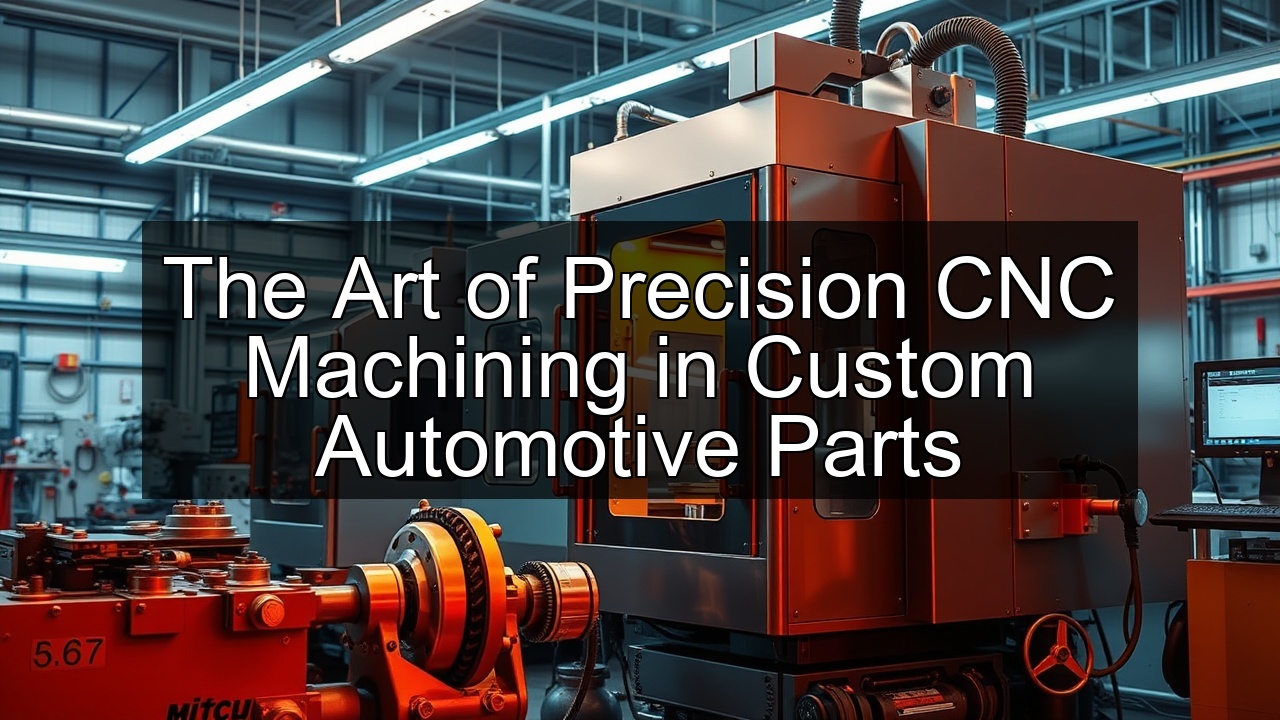
Precision CNC machining relies heavily on Computer Numerical Control (CNC) technology, which automates the control of machine tools through computer programming. This technology transforms complex designs into precise movements executed by various machining tools. CNC machines interpret CAD (Computer-Aided Design) files, translating intricate designs into a series of commands that dictate the operation of mills, lathes, and other tools. This automation not only enhances the accuracy of the machining process but also significantly increases production efficiency by minimizing human error. CNC programming allows for the rapid execution of complex geometries, leading to precise cuts and shapes that are vital for custom automotive parts.
Key Tools and Machinery Used in Precision CNC
Precision CNC machining employs a variety of tools and machinery, each designed for specific tasks. CNC milling machines, for instance, utilize rotary cutters to remove material from a workpiece, allowing for the creation of intricate details and features. Lathes, including automatic lathes, rotate the workpiece against a stationary cutting tool, ideal for creating cylindrical parts. Electrical discharge machines (EDM) play a critical role in producing intricate details in hard metals like titanium alloys, while laser cutting and plasma cutting provide precise methods for cutting through various materials. Tooling, including specialized electrodes and custom tooling fixtures, enhances the versatility and effectiveness of these machines, ensuring high-quality output in automotive manufacturing.
Popular Materials in CNC Machining: Metals and Plastics
Precision CNC machining accommodates a wide array of materials, ranging from metals like aluminum, gold, copper, and titanium to various plastics. Each material presents unique challenges and benefits in the machining process. For example, titanium is favored for its strength-to-weight ratio, making it ideal for high-performance automotive applications. Aluminum offers lightweight properties, while copper is prized for its electrical conductivity. Plastics, such as ABS and nylon, provide versatility and cost-effectiveness, particularly in prototyping and low-volume production. Understanding the properties of these materials is essential for engineers and fabricators to ensure optimal results in custom automotive parts.
Applications of CNC Machining in the Automotive Industry
Custom Automotive Parts and Their Design Considerations
Custom automotive parts necessitate meticulous design considerations that CNC machining readily addresses. Engineers utilize CAD software to develop precise designs tailored to specific vehicle requirements. Factors such as weight, strength, and compatibility with existing components influence material selection and machining processes. CNC machines produce parts that meet exact specifications, ensuring a perfect fit and optimal performance. Additionally, the ability to rapidly prototype components through CNC machining allows manufacturers to test designs quickly, reducing development time and costs. The ease of customization through CNC fabrication makes it a preferred choice for creating high-quality automotive components.
The Advantages of CNC Machining in Automotive Manufacturing
CNC machining offers numerous advantages in automotive manufacturing, primarily due to its precision and efficiency. The automation inherent in CNC technology reduces the likelihood of human error, resulting in consistently high-quality parts. This level of accuracy is crucial when manufacturing components that must adhere to strict tolerances. CNC machining also supports complex geometries that traditional machining methods struggle to achieve. Furthermore, the scalability of CNC processes allows manufacturers to produce both prototypes and large production runs without sacrificing quality. The integration of CNC machining in automotive manufacturing significantly streamlines workflows, reduces lead times, and enhances overall productivity.
Precision Tolerances and Their Importance in Automotive Parts
Precision tolerances play a vital role in the performance and safety of automotive parts. Tolerances define the allowable variations in dimensions during the machining process, influencing the fit and functionality of components. For instance, engine parts must adhere to tight tolerances to ensure proper operation and prevent mechanical failures. CNC machining excels in achieving these precision tolerances, enabling manufacturers to produce parts that meet strict industry standards. The ability to consistently maintain tolerances is a hallmark of precision CNC machining, establishing reliability in critical automotive applications. As vehicles become more advanced, the demand for high-precision components continues to grow, underscoring the importance of CNC technology in the automotive sector.
Advancements in CNC Machining Technology
The Impact of Robotics and Automation on CNC Machining
Robotics and automation significantly enhance the capabilities of CNC machining. Automated systems reduce labor costs and increase production speeds while maintaining precision. Robotics can take on repetitive tasks, allowing skilled operators to focus on more complex aspects of machining. For example, robotic arms can load and unload parts from CNC machines, improving workflow efficiency. Additionally, the integration of AI technology in CNC systems enables real-time monitoring and adjustments, further enhancing machining accuracy. These advancements not only improve productivity but also contribute to the overall quality of custom automotive parts, paving the way for innovations in manufacturing.
Emerging Techniques: 3D Printing and Hybrid Manufacturing
Emerging techniques such as 3D printing and hybrid manufacturing are reshaping the landscape of precision CNC machining. 3D printing allows for the rapid prototyping of parts, enabling designers to quickly iterate on designs. This technique is particularly effective for creating complex geometries that traditional machining may struggle to produce. Hybrid manufacturing, which combines additive and subtractive processes, capitalizes on the advantages of both methods. This approach allows manufacturers to produce parts that require intricate details and superior surface finishes. The combination of these techniques not only reduces material waste but also accelerates the production process, making it an attractive option for automotive applications.
Innovations in Surface Finishes and Material Treatment
Innovations in surface finishes and material treatment significantly enhance the performance and durability of machined parts. Advanced coating techniques, such as anodizing and powder coating, improve corrosion resistance and aesthetic appeal. Surface finishes also play a crucial role in reducing friction and cnc fabrication wear, particularly in high-performance automotive applications. Additionally, heat treatment processes can alter the material properties, enhancing strength and toughness in critical components. These advancements in surface treatment technologies enable manufacturers to produce automotive parts that not only meet stringent quality standards but also withstand the harsh conditions of daily use, thus extending their lifespan.
Outsourcing and Cost Considerations in CNC Machining
Evaluating CNC Machining Services: What to Look For
When considering CNC machining services, several factors warrant attention. First, evaluate the service provider's expertise and experience in the automotive sector. A reputable CNC machine shop should possess a solid portfolio showcasing their capabilities in producing custom automotive parts. Assess their technology and equipment; modern CNC machines equipped with advanced tooling can significantly impact the quality and precision of the finished product. Communication is another critical aspect. Providers should demonstrate a willingness to collaborate closely with clients throughout the design and production process, ensuring that all specifications are met. Finally, consider the company's commitment to quality assurance, as consistent quality is vital in automotive manufacturing.
Cost Factors in Precision CNC Machining
Understanding the cost factors associated with precision CNC machining is essential for manufacturers. Costs can vary significantly based on material selection, complexity of the design, and production volume. High-quality materials, such as titanium alloys, often come at a premium but offer superior performance. Additionally, intricate designs that require advanced tooling and longer machining times can increase labor costs. The scale of production also influences pricing; larger production runs typically reduce per-unit costs due to economies of scale. Manufacturers must balance quality, speed, and cost-effectiveness to optimize their CNC machining processes while meeting project budgets.
The Future of CNC Machining: Trends and Predictions
The future of CNC machining appears promising, driven by continuous advancements in technology and evolving industry demands. The integration of artificial intelligence and machine learning in CNC systems will enhance precision and efficiency, enabling predictive maintenance and real-time adjustments. The rise of smart factories, where machines are interconnected, will further streamline production processes. As manufacturers increasingly adopt sustainable practices, the focus on eco-friendly materials and waste reduction will shape future CNC machining strategies. Emerging technologies like hybrid manufacturing and 3D printing will continue to revolutionize the industry, offering innovative solutions for custom automotive parts. Overall, the CNC machining industry is poised for growth, characterized by enhanced capabilities and increased responsiveness to market needs.