Understanding the Cost Benefits of Outsourced Assembly Services
The Financial Advantages of Outsourced Assembly Services
Cost Reduction in Manufacturing
Outsourced assembly services significantly lower manufacturing costs. By leveraging economies of scale, companies can reduce labor and material costs. Outsourcing allows businesses to tap into specialized production facilities with established infrastructure, eliminating the need for substantial capital investment in machinery and technology. This shift not only minimizes overhead expenses but also allows companies to allocate resources more effectively, focusing on core competencies. Moreover, geographical advantages play a crucial role. Many outsourced assembly providers operate in regions with lower labor costs, further enhancing the financial viability of outsourcing. This strategy empowers businesses to remain competitive in pricing while maintaining profit margins.
Minimizing Waste in Production
Reducing waste is paramount in manufacturing, and outsourced assembly services excel in this area. These service providers implement lean manufacturing principles, streamlining processes to eliminate inefficiencies. By optimizing the supply chain and employing advanced techniques, they minimize excess materials and energy consumption. For example, just-in-time inventory management ensures that components arrive as needed, reducing storage costs and waste. Outsourcing assembly not only enhances efficiency but also aligns with sustainability goals. Companies can achieve a balance between profitability and environmental responsibility by minimizing waste, ultimately leading to a more sustainable business model.
Optimizing Packaging Costs
Packaging plays a critical role in the overall cost structure of manufacturing. Outsourced assembly services often include packaging solutions tailored to specific products, allowing companies to save on materials and labor costs. By collaborating with packaging experts, businesses can develop innovative designs that protect products while minimizing material use. This approach not only reduces costs but also enhances the customer experience. Efficient packaging contributes to lower shipping costs and improved shelf appeal, which can drive sales. Additionally, outsourcing packaging processes allows companies to focus on their core assembly tasks while ensuring that products are presented optimally to the market.
Enhancing Quality and Reliability through Outsourcing
Quality Control Standards in Outsourced Assembly
Quality control remains a cornerstone of manufacturing, and outsourced assembly services uphold rigorous standards. Service providers typically implement comprehensive quality management systems that adhere to international standards. These protocols ensure that each component meets specified criteria before reaching the final assembly line. Regular audits and certifications guarantee that quality remains consistent throughout the production process. By outsourcing assembly, companies access specialized expertise in quality control without the need to develop extensive in-house capabilities. This focus on quality not only reduces the risk of defects but also enhances brand reputation and customer satisfaction.
Inspection Protocols for Ensuring Reliability
Reliability in manufacturing hinges on thorough inspection protocols. Outsourced assembly services prioritize inspections at multiple stages of production, from incoming materials to final assembly. These inspections often use advanced technologies such as automated vision systems, which enhance accuracy and efficiency. By employing skilled personnel equipped with the latest tools, outsourced providers can detect potential issues early in the process. This proactive approach minimizes the likelihood of defects reaching customers, boosting overall reliability. Companies benefit from enhanced product integrity and reduced returns, fostering customer loyalty and trust in their brand.
Welding and Fabrication Quality Assurance
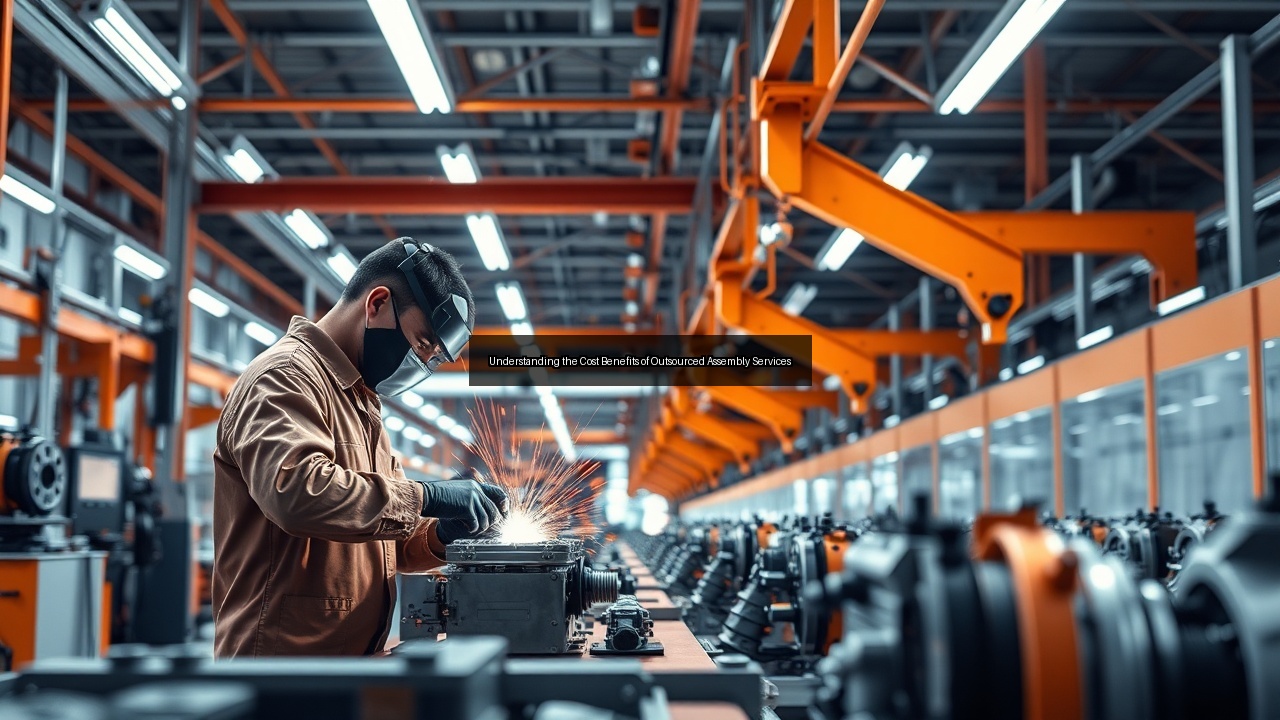
Welding and fabrication represent critical processes in many manufacturing sectors, particularly in automotive and heavy industries. Outsourced assembly services specialize in these areas, ensuring that quality assurance measures are rigorously applied. Providers often possess specialized machinery and skilled welders trained in various techniques such as MIG, TIG, and spot welding. This expertise guarantees that finished products meet both safety standards and customer specifications. Regular assessments and certifications help maintain high-quality welding and fabrication processes, reducing the risk of structural failures. By outsourcing these complex tasks, companies can rely on expert craftsmanship while focusing on core production activities.
Streamlining Time-to-Market with Outsourced Solutions
Accelerating Assembly Line Efficiency
Time-to-market represents a crucial factor in competitive industries. Outsourced assembly services contribute to accelerated assembly line efficiency, allowing products to reach consumers faster. By leveraging specialized facilities equipped with advanced technologies, outsourced partners can quickly adapt to changing production demands. Streamlined assembly lines workflows and expert teams enhance productivity, minimizing bottlenecks that often delay production timelines. Companies can launch products promptly, capitalize on market trends, and respond swiftly to customer needs. This agility not only boosts sales potential but also strengthens market positioning, enabling businesses to stay ahead of competitors.
The Role of Outsourcing in Automotive Production
The automotive industry exemplifies the benefits of outsourced assembly services. Complex vehicle assembly requires precision, efficiency, and high-quality standards. Outsourcing allows automotive manufacturers to focus on design and innovation while relying on specialized partners for assembly tasks. This collaboration enhances production speed and efficiency, enabling manufacturers to respond to evolving market demands. Furthermore, outsourced assembly partners often have extensive experience in automotive production, allowing for improved quality control and compliance with industry regulations. This strategic partnership fosters a robust supply chain, essential for meeting consumer expectations in a fast-paced market.
Best Practices for Quick Turnaround
Implementing best practices is essential for achieving quick turnaround times in outsourced assembly services. Effective communication between manufacturers and assembly partners ensures that project requirements are clear and deadlines are met. Establishing standardized processes minimizes variability, enhancing overall efficiency. Utilizing project management tools can help track progress and address potential issues promptly. Additionally, fostering a culture of collaboration and continuous improvement encourages teams to identify opportunities for optimization. By adhering to these best practices, companies can ensure that their outsourced assembly services remain responsive and effective, ultimately reducing lead times and improving customer satisfaction.
Strategic Considerations for Outsourcing Assembly Services
Choosing the Right Assembly Partner
Selecting the right assembly partner is critical to the success of outsourcing assembly services. Companies should evaluate potential partners based on their expertise, capabilities, and track record in the industry. Assessing factors such as quality control measures, technological capabilities, and workforce skill sets helps ensure alignment with organizational goals. Additionally, cultural fit and communication styles play significant roles in fostering effective collaboration. Conducting site visits and engaging in trial projects can provide valuable insights into a partner's operations, ensuring that they meet the company’s quality and reliability expectations.
Understanding the Impact on Plant Operations
Outsourcing assembly services can significantly impact plant operations. Companies must assess how outsourcing will affect existing workflows, resource allocation, and employee roles. Transitioning to outsourced solutions may require training and adjustments to internal processes, necessitating careful planning and management. Ensuring that in-house teams understand the changes and can effectively collaborate with external partners is vital for minimizing disruptions. Furthermore, businesses should consider how outsourcing will influence supply chain dynamics, inventory management, and overall production costs. A strategic approach to these impacts will facilitate a smoother transition and optimize operations.
Architectural and Design Considerations in Outsourcing
Architectural and design considerations are crucial when outsourcing assembly services. Companies must ensure that their product designs are compatible with the capabilities of their chosen assembly partner. This alignment minimizes production challenges and enhances efficiency. Additionally, the architectural layout of assembly facilities should efficiently support workflows and minimize waste. Engaging in collaborative design processes that involve both internal teams and external partners fosters innovation and ensures that final products meet quality standards. By integrating architectural and design considerations into the outsourcing strategy, companies can achieve seamless assembly processes and superior product outcomes.
See Also
- From Welds to Packaging How Outsourced Assembly Services Streamline Manufacturing
- Why Reliability is Key in Outsourced Assembly Operations
- The Advantages of Outsourcing Assembly in the Automotive Sector
- Maximizing Efficiency with Outsourced Assembly Solutions
- Choosing the Right Outsourced Assembly Partner for Your Needs