The Hidden Costs of Neglecting Proper Greasing in Manufacturing
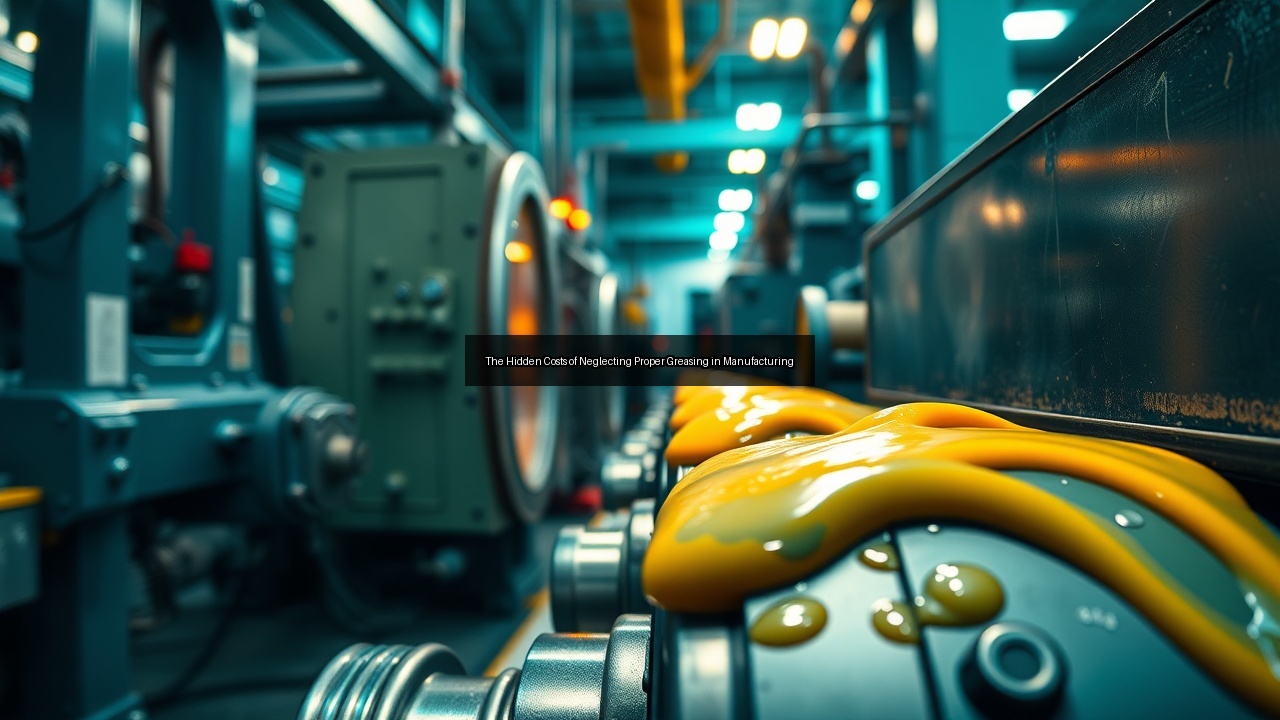
Understanding the Role of Greasing in Manufacturing
The Importance of Proper Greasing
Proper greasing plays a crucial role in the manufacturing sector, serving as a fundamental practice that significantly impacts equipment longevity and operational efficiency. Greasing ensures that machinery runs smoothly, reducing the likelihood of breakdowns and extending the lifespan of vital components. Regularly applying industrial lubrication grease creates a protective barrier between moving parts, preventing metal-on-metal contact. This barrier not only minimizes wear and tear but also enhances the overall performance of manufacturing equipment. Ignoring proper greasing can lead to disastrous outcomes, including costly downtime and extensive repairs, which can cripple production schedules and profitability.
How Greases Reduce Friction
Greases effectively reduce friction between surfaces in motion, a critical function that directly influences the efficiency of manufacturing processes. When machinery operates, the friction generated can produce heat, leading to premature equipment failure. Industrial lubrication grease mitigates this heat generation by providing a smooth interface between moving parts. The right grease not only lubricates but also resists degradation from environmental factors such as moisture, dust, and extreme temperatures. By maintaining optimal lubrication conditions, greases enhance the performance of machinery and contribute to a safer working environment, reducing the risk of accidents caused by equipment malfunction.
Common Types of Industrial Lubricants
A variety of greases and lubricants exist to meet the diverse needs of manufacturing operations. Common types include lithium-based greases, which offer excellent water resistance and high-temperature stability, making them popular in various applications. Calcium soaps are also widely used, especially in environments where moisture poses a threat. Synthetic greases take center stage when extreme temperatures or heavy loads are involved, providing superior lubrication properties. Understanding the differences among these industrial lubricants helps manufacturers select the most appropriate grease for their specific needs, ensuring optimal performance and reliability in their machinery.
Consequences of Neglecting Proper Lubrication
Increased Wear and Tear on Machinery
Neglecting proper lubrication leads to accelerated wear and tear on machinery, a consequence that can be devastating for manufacturing operations. Without adequate greasing, moving parts experience increased friction, resulting in rapid deterioration. This degradation not only compromises the integrity of machinery but also increases the likelihood of catastrophic failures. Equipment that operates without proper lubrication may require frequent repairs or replacements, significantly driving up operational costs. Manufacturers must recognize that maintaining proper greasing practices is not merely a routine task but a vital investment in the longevity of their machinery.
Higher Maintenance Costs
A direct consequence of inadequate lubrication manifests as higher maintenance costs. When machinery suffers from excessive wear due to neglect, manufacturers face the burden of industrial grease increased repair expenses. Routine maintenance becomes more frequent and costly, straining budgets and resources. Additionally, the labor involved in performing emergency repairs diverts attention from productive activities, further impacting the bottom line. Implementing a consistent greasing schedule not only minimizes these costs but also fosters a culture of proactive maintenance that can significantly enhance operational efficiency.
Impact on Production Efficiency
Neglecting proper greasing adversely affects production efficiency. Machinery that operates under suboptimal lubrication conditions can slow down production lines, leading to delays and missed deadlines. The ripple effect of these inefficiencies can disrupt entire workflows, causing bottlenecks that compromise the overall output of manufacturing processes. Moreover, unanticipated equipment failures can halt production entirely, resulting in lost revenue and disappointing customer satisfaction. Prioritizing proper lubrication practices ensures that machinery operates at peak efficiency, maximizing productivity and enabling manufacturers to meet their production goals consistently.
Identifying the Right Grease for Your Operations
Choosing the Right Grease Lubricants
Selecting the appropriate industrial lubrication grease for specific applications is essential for optimizing machinery performance. Each grease type offers distinct properties tailored to different operating conditions. Manufacturers should assess factors such as load, speed, temperature, and environmental conditions to choose the right lubricant. For example, high-load applications may require heavy-duty greases that can withstand significant pressure, while high-speed machinery benefits from lighter greases that minimize resistance. Consulting with lubrication experts and reviewing technical data sheets can guide manufacturers in making informed choices that enhance the efficiency and reliability of their operations.
Factors to Consider in Grease Selection
Multiple factors influence the selection of industrial greases, and understanding these elements is crucial for effective lubrication management. One major consideration is the operating temperature range; greases must remain effective at both high and low temperatures to provide consistent protection. Additionally, resistance to water and contaminants plays a vital role, especially in environments prone to moisture or dust. The compatibility of greases with existing lubricants also matters; mixing incompatible lubricants can lead to degradation and reduced performance. Manufacturers should evaluate these factors carefully to ensure the selected lubricant meets the demands of their specific applications.
The Role of Mechanical Lubricators in Manufacturing
Mechanical lubricators enhance the effectiveness of greasing in manufacturing by providing automated solutions for lubrication. These systems ensure that machines receive consistent and precise amounts of grease, minimizing the risk of human error in manual lubrication processes. Mechanical lubricators can be programmed to operate on set schedules, delivering grease at optimal intervals to maintain equipment performance. This automation not only saves time but also significantly reduces the likelihood of over- or under-lubricating machinery. Implementing mechanical lubricators can lead to improved operational efficiency, enabling manufacturers to focus on productivity while ensuring their equipment remains well-lubricated.
Best Practices for Industrial Lubrication
Developing a Greasing Schedule
Creating a comprehensive greasing schedule is vital for maintaining optimal lubrication across manufacturing operations. This schedule should outline the frequency and quantity of grease application for each piece of equipment, based on manufacturer recommendations and operational demands. Regularly revisiting and adjusting the schedule ensures that it remains relevant as equipment ages or as production requirements change. A well-structured greasing schedule minimizes the risk of neglect, promotes consistency, and enhances overall machinery performance, ultimately leading to reduced downtime and increased efficiency.
Documenting Lubrication Procedures
Thoroughly documenting lubrication procedures is essential for maintaining consistency and accountability in greasing practices. A detailed record should include information on grease types, application methods, schedules, and equipment specifics. This documentation serves as a valuable reference for staff, ensuring that everyone follows standardized procedures. It also aids in identifying trends in equipment performance or failures, allowing manufacturers to make data-driven decisions about lubrication practices. Regularly reviewing and updating these documents keeps lubrication procedures aligned with best practices and operational goals, fostering a culture of continuous improvement.
Training Staff on Proper Greasing Techniques
Investing in staff training on proper greasing techniques is a fundamental aspect of maintaining effective lubrication practices. Employees should understand the significance of greasing, the types of lubricants used, and the correct application methods. Training sessions can cover topics such as the importance of cleanliness during industrial greases greasing, recognizing signs of inadequate lubrication, and the specific needs of different machinery. Equipping staff with this knowledge empowers them to take ownership of lubrication tasks, reducing the risk of errors and enhancing overall equipment reliability. A well-informed workforce contributes significantly to the success of lubrication strategies and the efficiency of manufacturing operations.