Reducing Downtime with Proactive Gearbox Maintenance
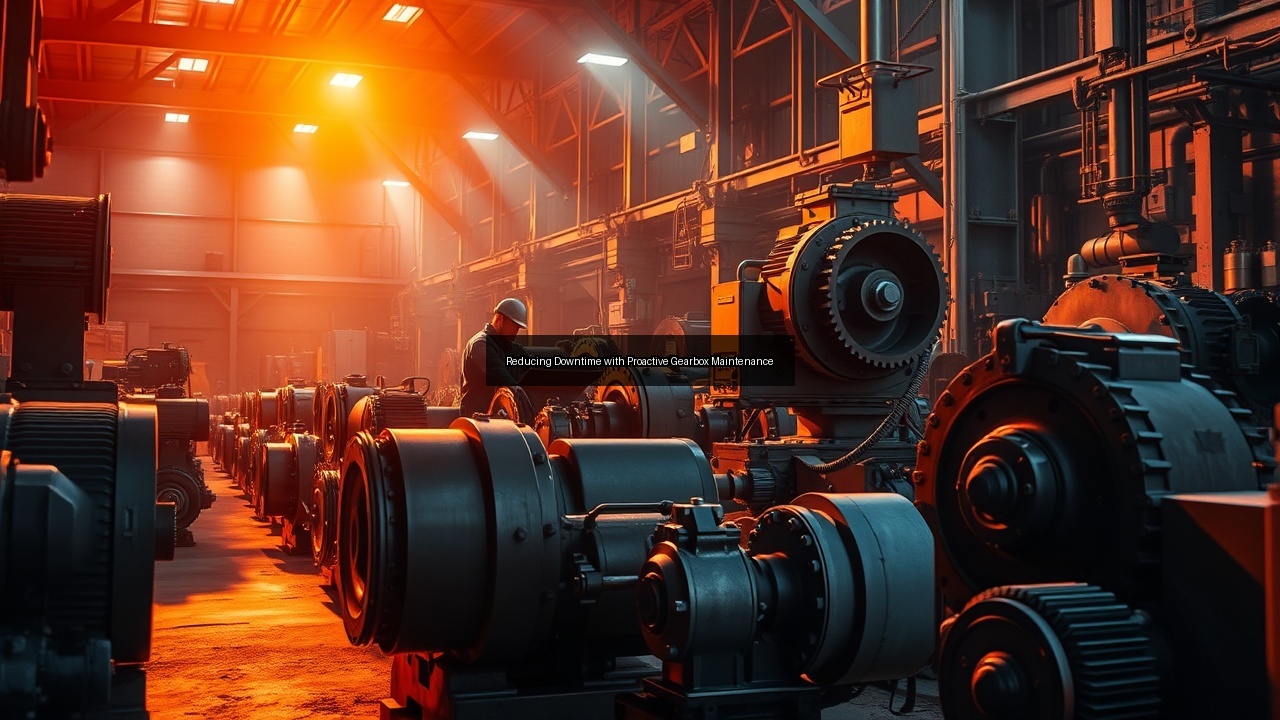
Understanding Gearbox Functionality and Importance
The Role of Gearboxes in Power Transmission
Gearboxes play a pivotal role in power transmission across various industrial applications. By adjusting the speed and torque of mechanical systems, gearboxes ensure that machinery operates efficiently and effectively. They convert the high-speed input from motors into a lower-speed output suitable for driving heavy loads. This conversion not only enhances the performance of machines but also optimizes their energy consumption. For industries reliant on heavy machinery, such as manufacturing and construction, understanding gearbox functionality becomes crucial for maintaining operational efficiency. A well-functioning gearbox minimizes energy loss, thereby reducing operating costs and extending the life of both the gearbox and the machinery it powers.
Types of Gearboxes: Worm, Reducers, and More
Several types of gearboxes cater to specific industrial needs. Worm gearboxes, for instance, provide high torque and compact design, making them ideal for applications that require substantial power transmission in confined spaces. Reducers, on the other hand, focus on reducing speed while increasing torque. Each type of gearbox serves distinct purposes, tailored to the requirements of different machinery. Understanding the nuances between these types can guide engineers in selecting the right gearbox for their applications. This selection process is critical in industrial gearbox maintenance, as the design and type directly impact both performance and longevity, making proper maintenance essential for optimal functionality.
The Impact of Design on Gear Efficiency
Gear design significantly influences the efficiency and reliability of power transmission systems. Factors such as gear material, tooth profile, and lubrication methods can enhance or hinder performance. For instance, precision-engineered gears with appropriate tooth designs minimize friction and wear, promoting smoother operation under varying loads. Engineers must consider these design elements when planning for industrial gearbox maintenance. An efficient gearbox reduces energy consumption and heat generation, which are common contributors to gearbox failures. Thus, understanding the relationship between design and efficiency helps in formulating effective maintenance strategies that ensure the gearbox operates at peak performance.
Best Practices for Proactive Gearbox Maintenance
Routine Maintenance Procedures for Industrial Gearboxes
Implementing routine maintenance procedures is crucial for the longevity and efficiency of industrial gearboxes. Regular inspections should include checks for wear and tear, alignment, and overall condition. Engineers should develop a maintenance schedule that encompasses visual inspections, functionality tests, and operational assessments to identify potential issues early. Additionally, documenting maintenance activities helps track the performance of gearboxes over time. A proactive maintenance routine not only extends the life of the gearbox but also prevents unexpected downtimes that can disrupt production processes. By committing to a consistent maintenance schedule, industries can significantly enhance the reliability of their machinery.
The Importance of Lubrication in Gearbox Longevity
Lubrication serves as a cornerstone of effective gearbox maintenance. Proper lubrication minimizes friction between moving parts, reducing wear and tear and preventing overheating. Selecting the right lubricant based on the gearbox design and operational conditions is essential for maintaining optimal performance. Engineers must regularly check lubricant levels, types, and conditions, replacing or replenishing them as necessary. Using advanced lubricants can also enhance resistance to environmental contaminants like dust and moisture, which can compromise gearbox performance. A well-lubricated gearbox operates smoothly, ensuring longevity and reducing the likelihood of costly repairs or replacements.
Monitoring Vibration and Torque for Early Failure Detection
Monitoring vibration and torque levels provides valuable insights into the operational status of gearboxes. Abnormal vibration patterns often indicate misalignment, imbalance, or wear, serving as early warning signs of potential failures. Engineers can employ vibration analysis tools to detect these irregularities before they escalate into significant issues. Torque monitoring further assists in assessing gearbox performance by ensuring that the output remains within acceptable ranges. By integrating these monitoring practices into routine maintenance, industries can effectively mitigate the risk of unexpected downtimes and enhance overall operational efficiency.
Identifying and Addressing Common Gearbox Failures
Signs of Gearbox Malfunction: What Engineers Should Look For
Engineers must be vigilant in identifying signs of gearbox malfunction to prevent costly downtimes. Common indicators include unusual noises, excessive heat, and diminished performance. Unusual sounds like grinding or whining can signal gear wear or damage, while increased temperatures often indicate lubrication issues. Additionally, a decrease in efficiency, such as reduced output or slower operational speeds, can also suggest underlying problems. Regular monitoring and immediate attention to these signs enable engineers to address issues before they lead to complete gearbox failure. Recognizing these symptoms early on is vital for maintaining the integrity of industrial operations.
Dust and Environmental Factors Affecting Gearbox Performance
Environmental factors such as dust, moisture, and temperature fluctuations can significantly impact gearbox performance. Dust accumulation can lead to contamination of lubricants, increasing wear on gears and bearings. Similarly, exposure to moisture may cause corrosion, further compromising the gearbox's integrity. Engineers should implement protective measures, such as seals and covers, to shield gearboxes from environmental stressors. Regular cleaning and maintenance also help mitigate the effects of these factors. By addressing environmental challenges proactively, industries can enhance the reliability of their gearboxes and reduce the frequency of maintenance interventions.
Strategies to Mitigate Downtime through Preemptive Maintenance
Implementing preemptive maintenance strategies is essential for minimizing downtime associated with gearbox failures. Developing a comprehensive maintenance plan that includes routine inspections, lubrication schedules, and monitoring systems can significantly reduce unexpected breakdowns. Training personnel to recognize warning signs and properly maintain gearboxes further enhances proactive measures. Additionally, investing in advanced technologies such as predictive maintenance tools allows for better forecasting of potential issues based on data analytics. These strategies not only extend the lifespan of gearboxes but also contribute to smoother operations and improved productivity within industrial environments.
Leveraging Technology for Enhanced Gearbox Maintenance
Modern Engineering Solutions for Gearbox Monitoring
Modern engineering solutions have revolutionized gearbox maintenance practices. Advanced monitoring technologies, such as IoT sensors and real-time data analytics, enable engineers to assess gearbox performance continuously. These technologies provide valuable insights into operational conditions, allowing for timely interventions when issues arise. By leveraging predictive maintenance tools, companies can identify potential failures before they occur, reducing both the frequency and severity of downtimes. Integrating these solutions into routine maintenance practices enhances the overall efficiency of industrial gearbox operations, ensuring that machinery remains reliable and productive.
Utilizing Data Analytics for Predictive Maintenance
Data analytics plays a crucial role in optimizing gearbox maintenance strategies. By analyzing historical performance data, engineers can identify patterns and trends that indicate potential failures. Predictive maintenance models utilize this data to forecast when a gearbox may require servicing, enabling proactive interventions. gearbox maintenance for industry This approach not only minimizes the risk of unexpected downtimes but also allows for more efficient allocation of maintenance resources. Industries that adopt data-driven maintenance strategies can achieve greater reliability and efficiency in their operations, ultimately leading to cost savings and increased productivity.
The Future of Gearbox Maintenance: Innovations and Trends
The future of gearbox maintenance promises exciting innovations and trends. As technology continues to evolve, industries can expect further integration of artificial intelligence and machine learning in predictive maintenance systems. These advancements will enhance the ability to analyze vast amounts of data, improving the precision of failure predictions. Additionally, developments in materials science may lead to the creation of more resilient gear components, further extending gearbox lifespans. Embracing these innovations will empower industries to maintain high levels of efficiency and reliability, paving the way for a new era in industrial gearbox maintenance.